Reef Tank Pests Guide
Learn how to identify, prevent, and eliminate the most common reef aquarium pests before they damage your corals, fish, or aquarium ecosystem.
Reef aquarium hitchhikers are unwanted pests, algae, parasites, or invasive organisms that enter your aquarium through live rock, coral frags, macroalgae, or even aquarium equipment. While some hitchhikers are harmless or even beneficial, others can quickly damage coral colonies, irritate fish, spread aggressively, and destabilize your reef ecosystem.
At Reef Route Aquatics, we regularly help aquarium owners throughout Middle Tennessee identify and eliminate reef tank pests before they become major infestations. Our aquarium maintenance and aquarium installation services support reef aquariums, planted aquariums, freshwater community aquariums, turtle aquariums, cichlid tanks, saltwater fish-only systems, and FOWLR aquariums.
The key to successful reef aquarium pest management is early identification, quarantine procedures, proper water chemistry, and consistent professional maintenance.
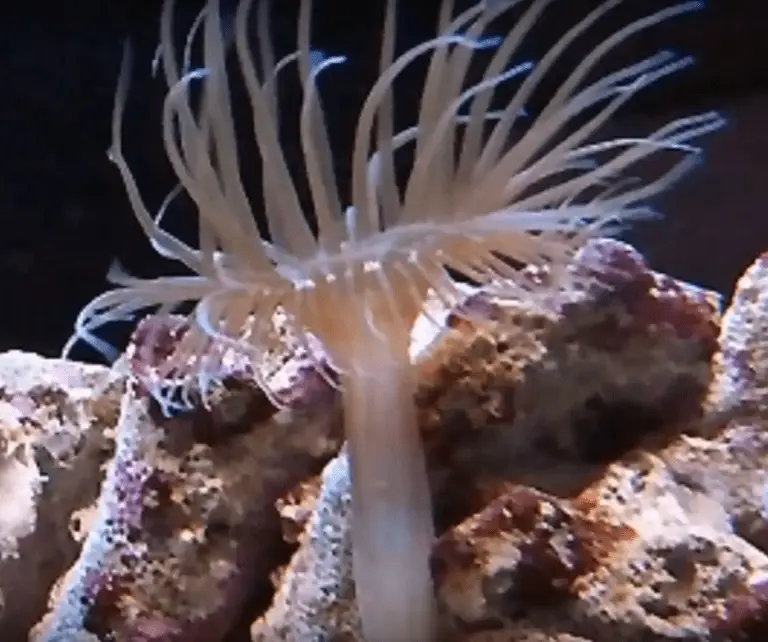
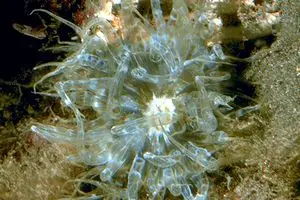
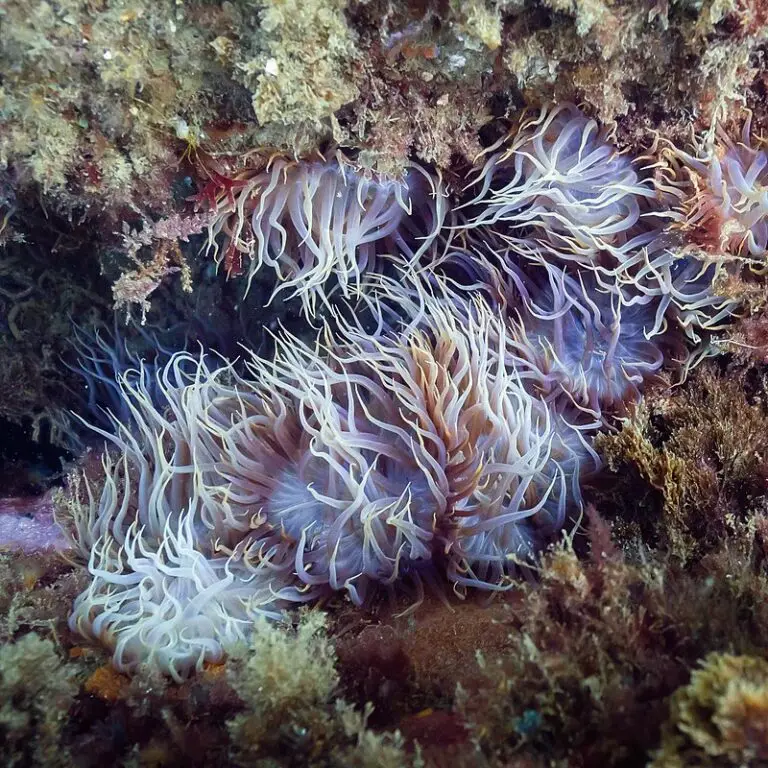
Aiptasia is a genus of a symbiotic cnidarian belonging to the class Anthozoa (sea anemones, corals). Aiptasia is a widely distributed genus of temperate and tropical sea anemones of benthic lifestyle typically found living on mangrove roots and hard substrates. These anemones, as well as many other cnidarian species, often contain symbiotic dinoflagellate unicellular algae of the genus Symbiodinium living inside nutritive cells.
This species is a reef keepers nightmare. Very prolific and will kill other corals in it’s range.
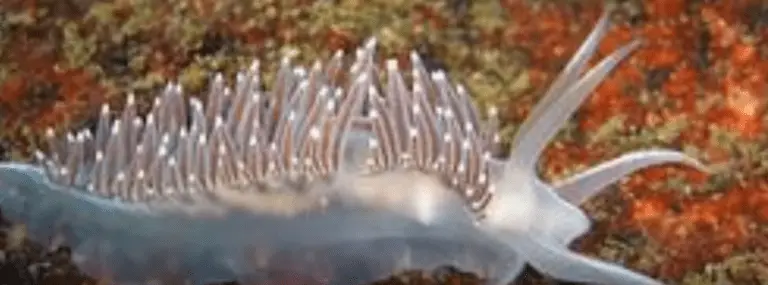
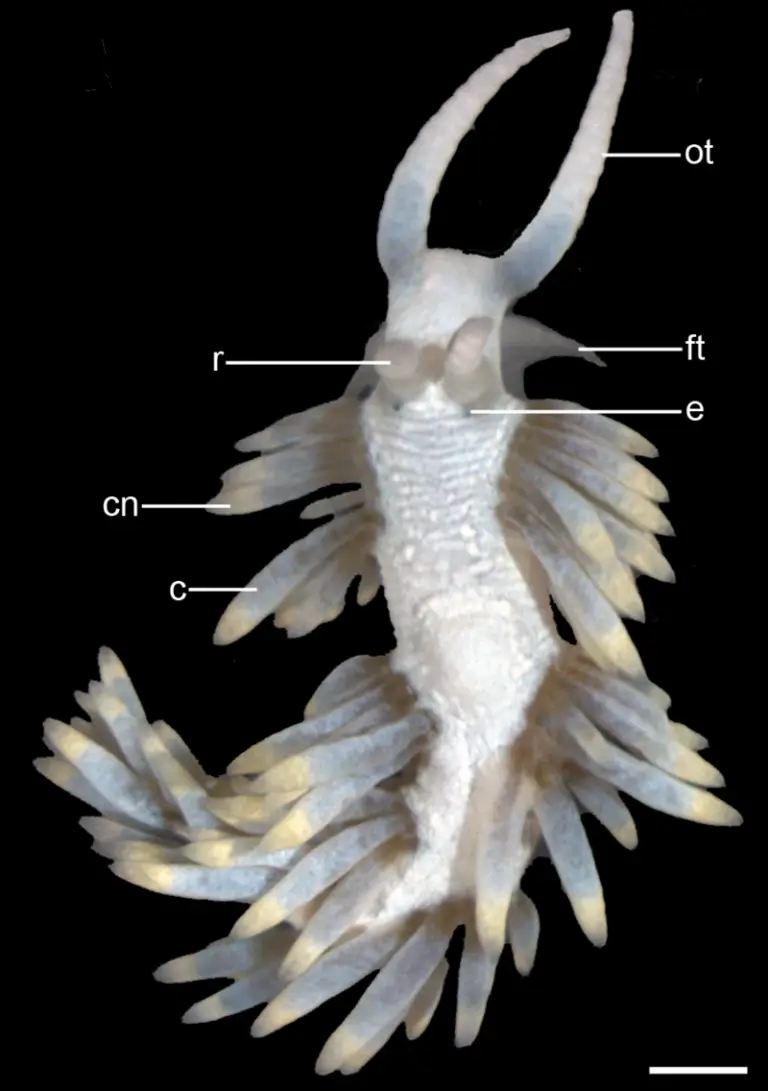
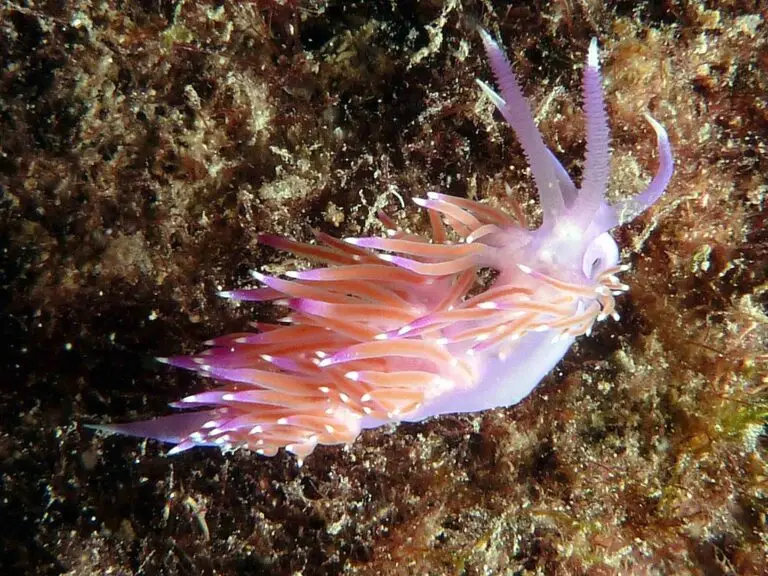
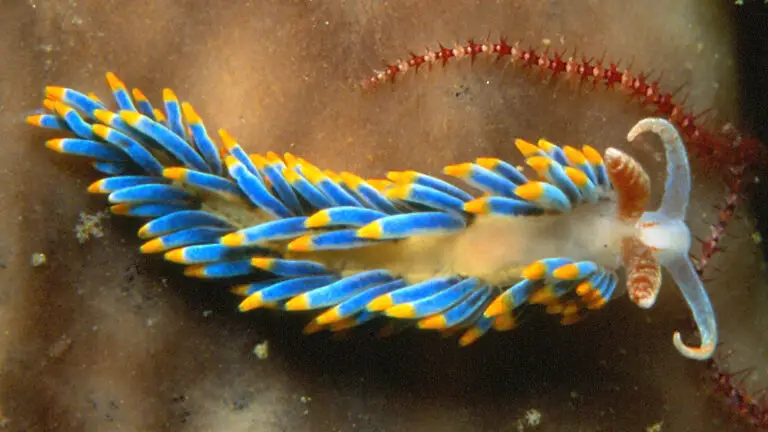
There are several products and soluttions available. However, the Berghia Nudibranch is by far the easiest way to elimination Aiptasia from a reef tank.
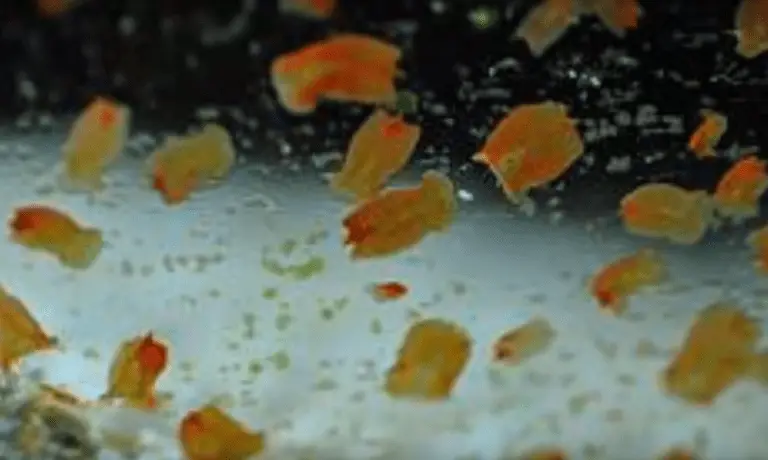
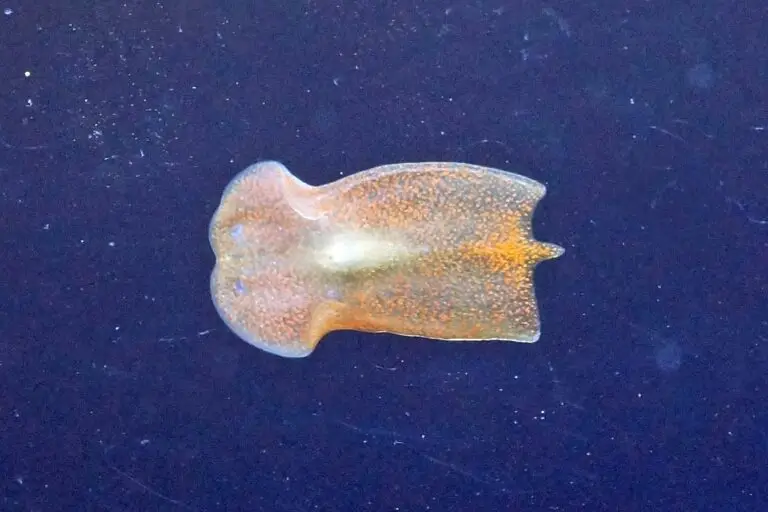
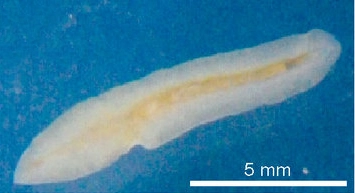
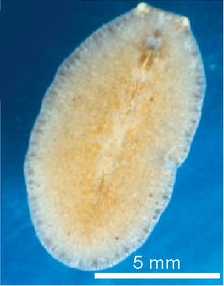
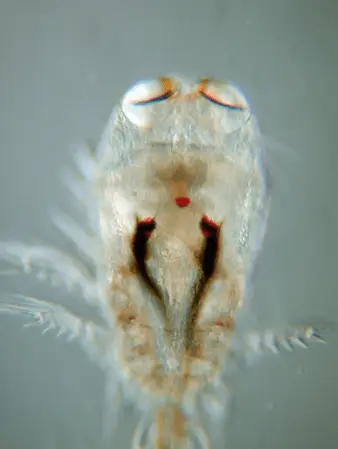
Convolutriloba retrogemma is a reddish-brown flatworm 2 mm in length also commonly known as redbug, red planaria, rust flatworm, or simply red flatworm. It is a marine flatworm that gets energy from its endosymbiotic algae or from the consumption of small invertebrates such as copepods and rotifers. Like some other flatworms, it is known to starve coral of sunlight while searching for food on the corals’ surface due to its rapid reproduction.[1]
C. retrogemma, like many other flatworms, contains dangerous toxins to keep it predators away, and, on death, it can release these toxins.[1] This is harmful to nearby life such as coral and fish, and even people if infected fish are consumed.
Often infected new corals bring these guys into our systems. Proper dipping, and quarantine program can help prevent introduction. Salifert Flatworm Exit is a very good product to get rid of these guys. Just be sure to follow directions.
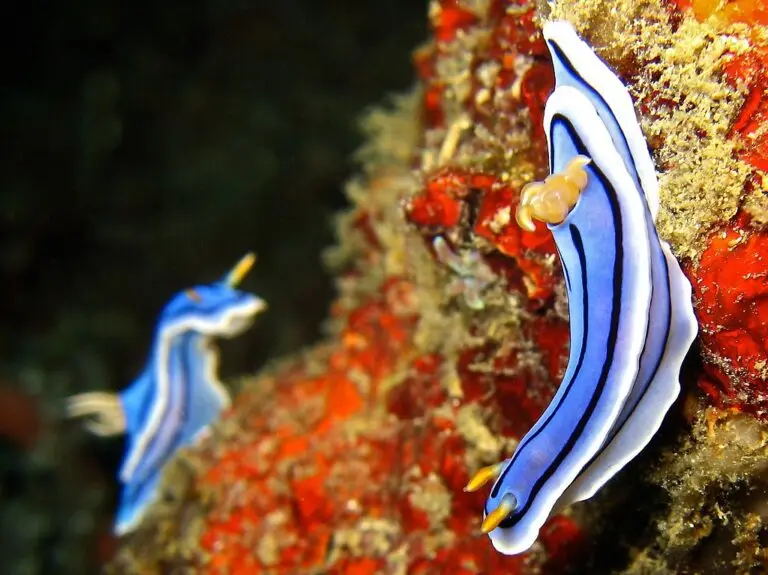
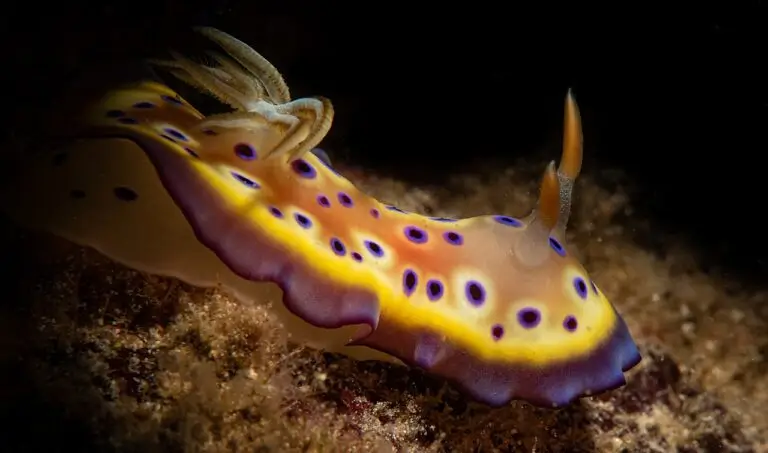
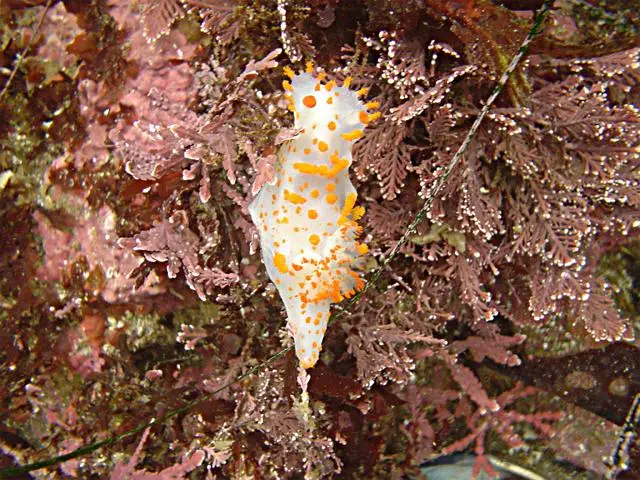
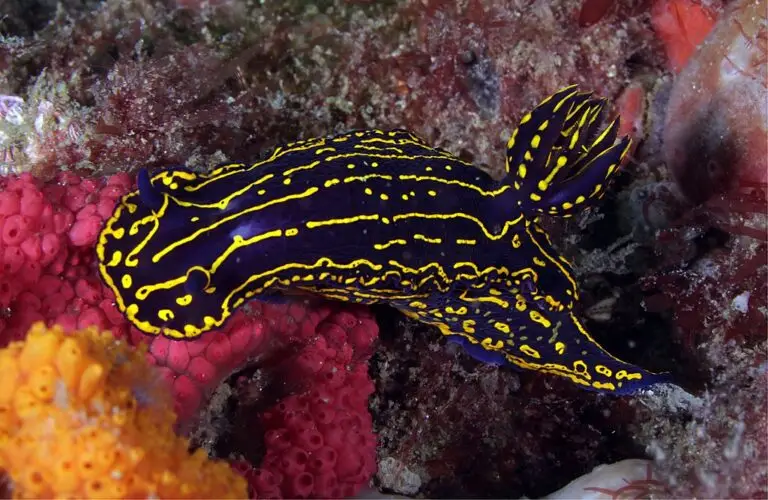
Nudibranchs (/ˈnjuːdɪbræŋk/[2]) are a group of soft-bodied marine gastropod molluscs which shed their shells after their larval stage.[3] They are noted for their often extraordinary colours and striking forms, and they have been given colourful nicknames to match, such as “clown”, “marigold”, “splendid”, “dancer”, “dragon”,[4] or “sea rabbit”.[5] Currently, about 3,000 valid species of nudibranchs are known.[6]
The word “nudibranch” comes from the Latin nudus “naked” and the Ancient Greek βράγχια (bránkhia) “gills“.
Often infected new corals bring these guys into our systems. Proper dipping, and quarantine program can help prevent introduction.Keeping a few wrasses around can help keep their numbers in check, and a possible management solution.
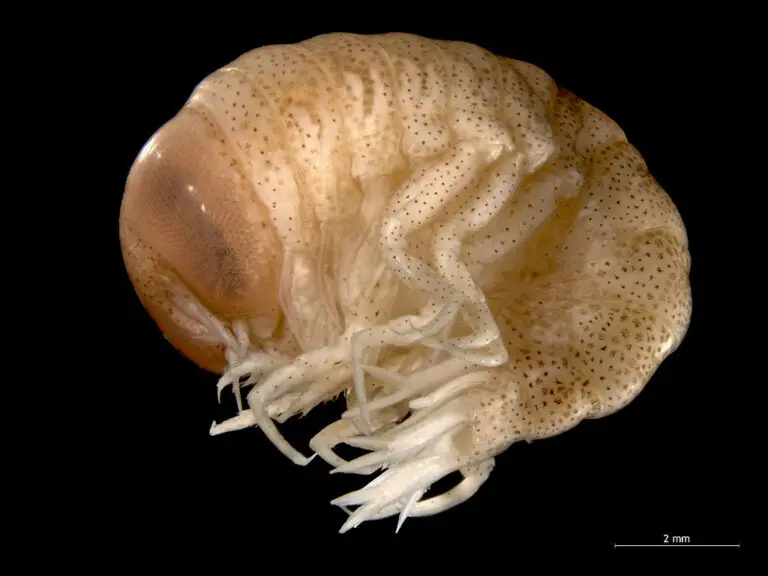
Isopoda is an order of crustaceans that includes woodlice and their relatives. Isopods live in the sea, in fresh water, or on land. All have rigid, segmented exoskeletons, two pairs of antennae, seven pairs of jointed limbs on the thorax, and five pairs of branching appendages on the abdomen that are used in respiration. Females brood their young in a pouch under their thorax.
Isopods have various feeding methods: some eat dead or decaying plant and animal matter, others are grazers, or filter feeders, a few are predators, and some are internal or external parasites, mostly of fish. Aquatic species mostly live on the seabed or bottom of freshwater bodies of water, but some taxa can swim for a short distance. Terrestrial forms move around by crawling and tend to be found in cool, moist places. Some species are able to roll themselves into a ball as a defense mechanism or to conserve moisture.
Not all iospods are bad. However, the ones we notice are the ones living off our fish. Manual removal is the only way I know of to remove this species.
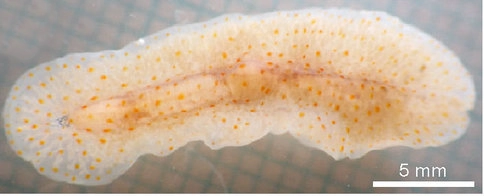
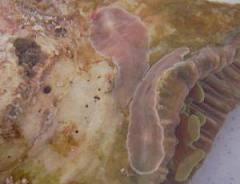
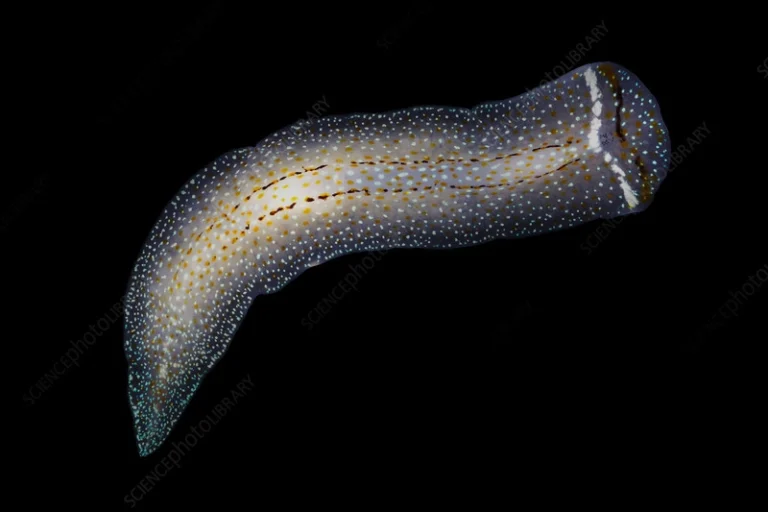
Polyclad Flatworms range from 3 millimetres (0.12 in) to 10 centimetres (3.9 in) in length with a flattened, roughly oval, body shape and, in many cases, a pair of short tentacles on the head. They are distinguished from other related animals by the presence of a folded pharynx, an elongated intestine with numerous complex diverticula, and multiple ocelli.
The etymology of the order name Polycladida corresponds to the two ancient Greek words πολύς (polús), meaning “numerous”, and κλάδος (kládos), meaning “branch”. It refers to the ramified shape of the intestine in these flatworms.
Most polyclads hide away from direct light. However, some of the brightly colored species often are active during the day. With their flamboyant coloring they advertise their potential toxicity to visual predators such as fish.
Infected new corals bring these guys into our systems. (Mostly Euphyllia) Proper dipping, and quarantine program can help prevent introduction.
In this section we will list species that are either good for our systems or those that we should watch with caution.
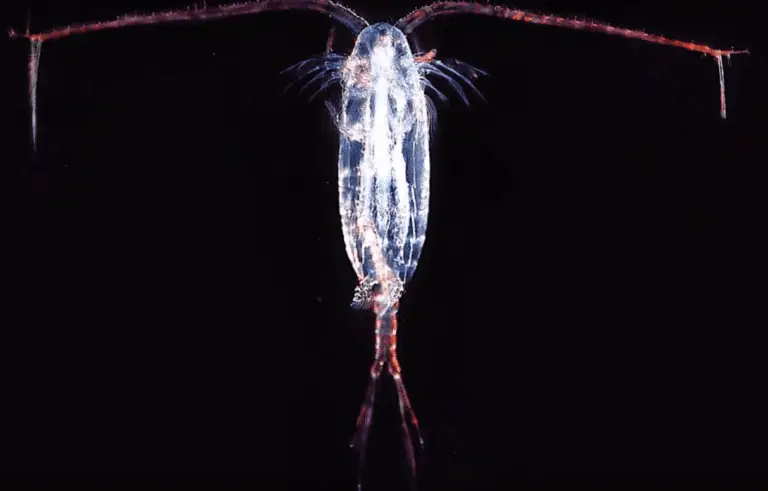
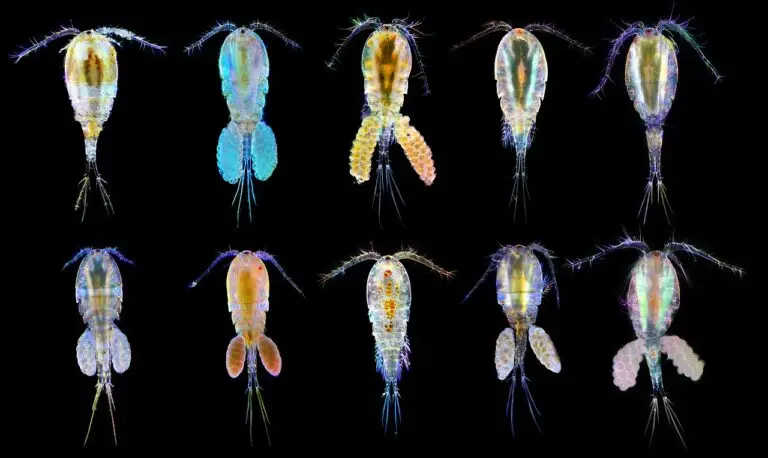
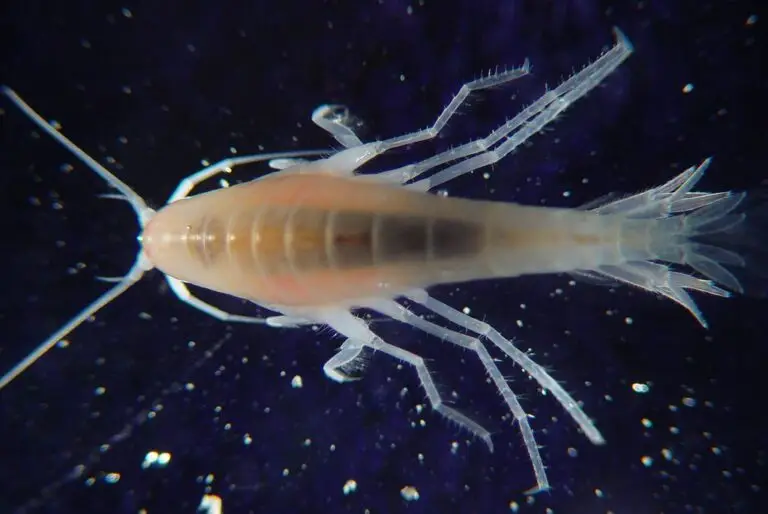
Copepods (/ˈkoʊpɪpɒd/; meaning “oar-feet”) are a group of small crustaceans found in nearly every freshwater and saltwater habitat. Some species are planktonic (inhabiting sea waters), some are benthic (living on the ocean floor), a number of species have parasitic phases, and some continental species may live in limnoterrestrial habitats and other wet terrestrial places, such as swamps, under leaf fall in wet forests, bogs, springs, ephemeral ponds, and puddles, damp moss, or water-filled recesses (phytotelmata) of plants such as bromeliads and pitcher plants. Many live underground in marine and freshwater caves, sinkholes, or stream beds. Copepods are sometimes used as biodiversity indicators.
These are definitely good guys, and if they’re breeding in your system, you’re doing something right. They even help feed picky eaters.
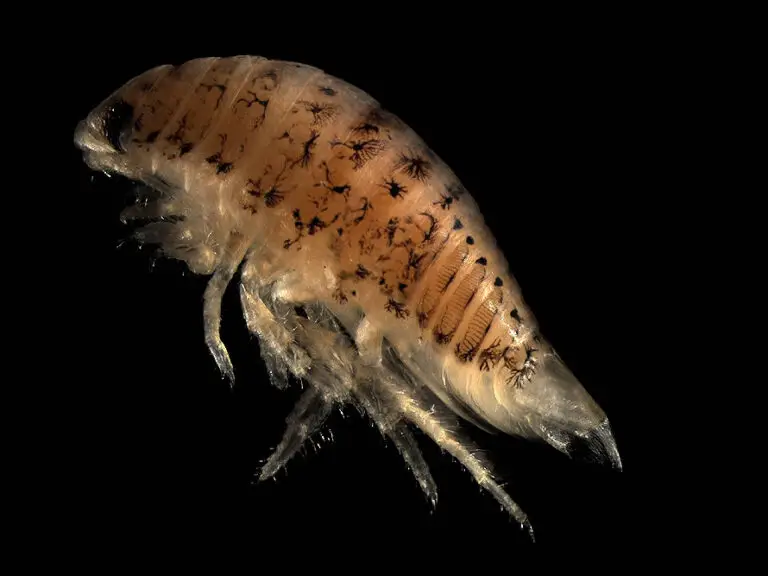
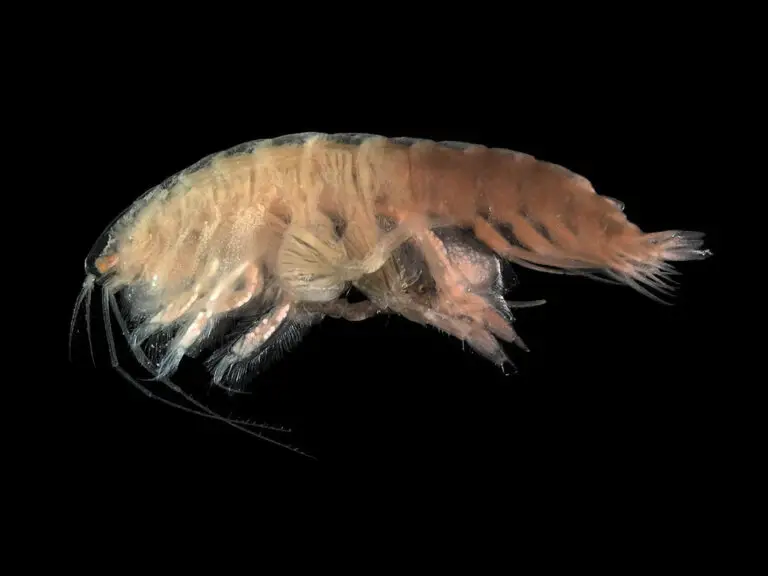
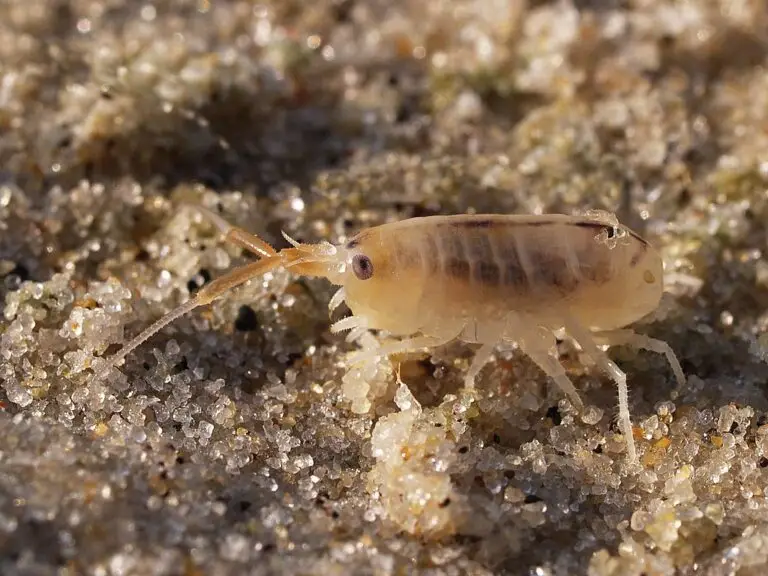
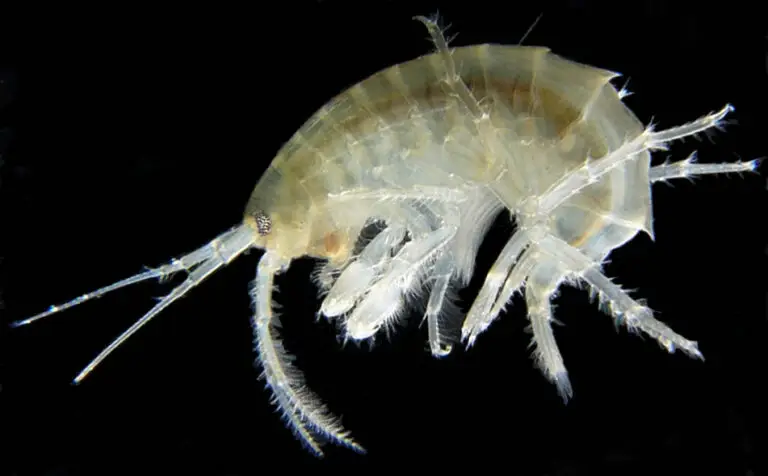
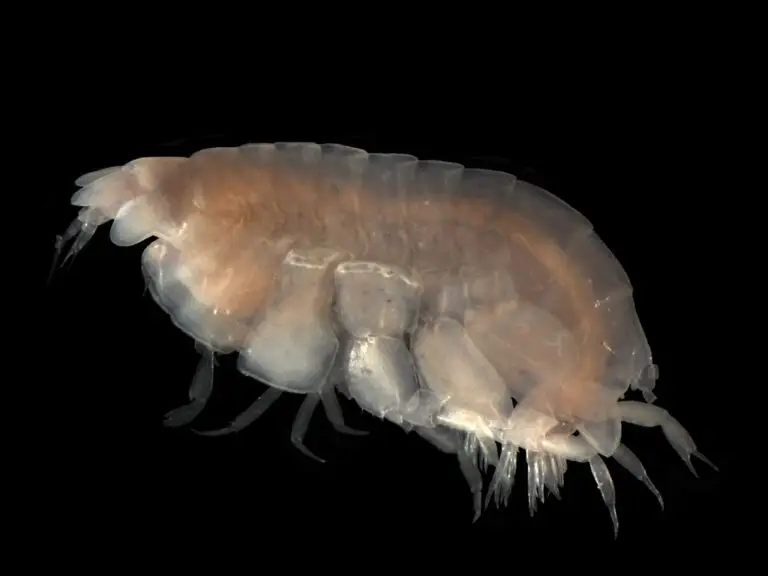
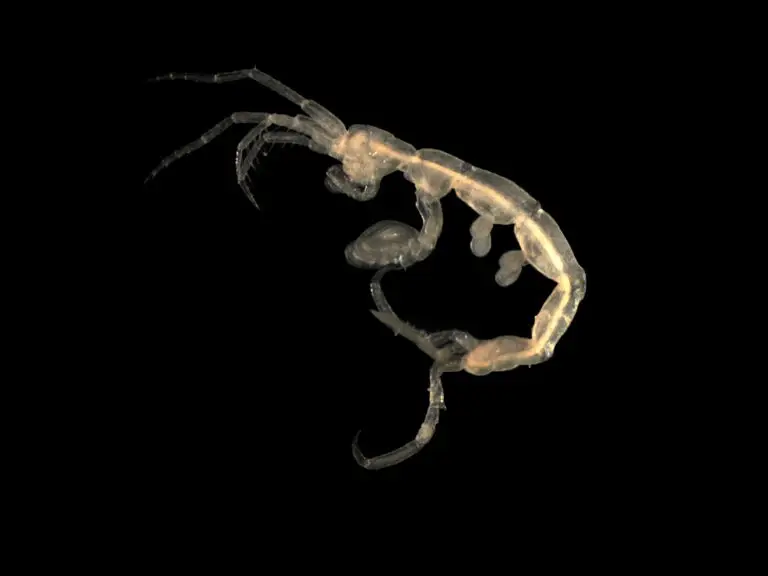
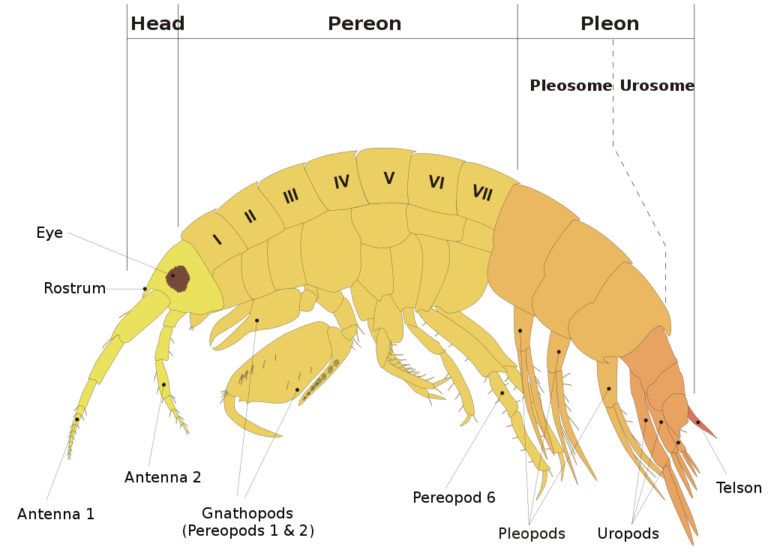
Amphipoda is an order of malacostracan crustaceans with no carapace and generally with laterally compressed bodies. Amphipods range in size from 1 to 340 millimetres (0.039 to 13 in) and are mostly detritivores or scavengers. There are more than 9,900 amphipod species so far described. They are mostly marine animals, but are found in almost all aquatic environments. Some 1,900 species live in fresh water, and the order also includes the terrestrial sandhoppers such as Talitrus saltator.
These are good guys, and if they’re breeding in your system, you’re doing something correct. They even help feed picky eaters, and help keep the system clean. They are mainly detritivores.
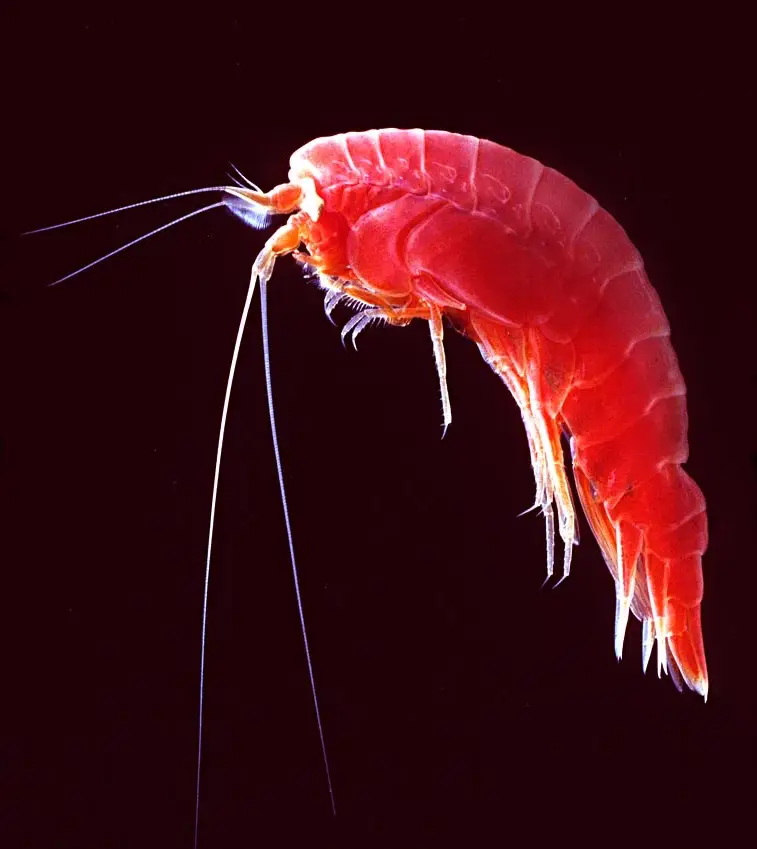
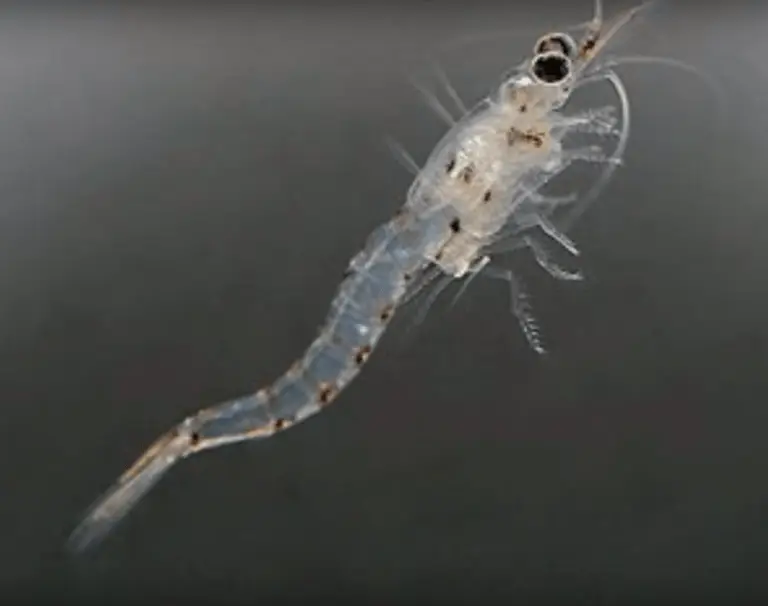
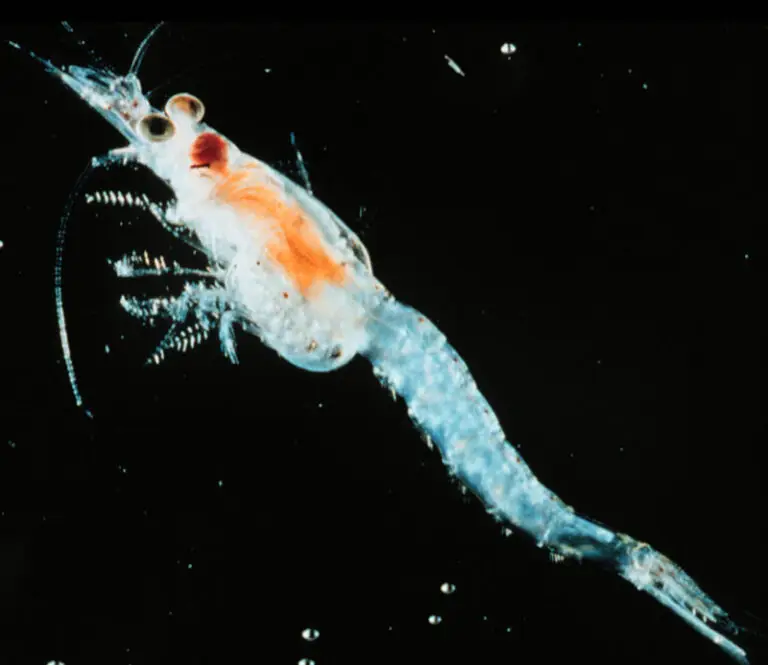
Mysis is a genus of mysid crustaceans in the family Mysidae, distributed mainly in the coastal zone of the Arctic and high boreal seas. Several species also inhabit northern freshwater lakes and the brackish Caspian Sea. Fifteen species are recognized.[1][2][3] Body lengths range from 1 to 3 centimetres (0.4 to 1.2 in).
Another zooplankton species good for our tanks.
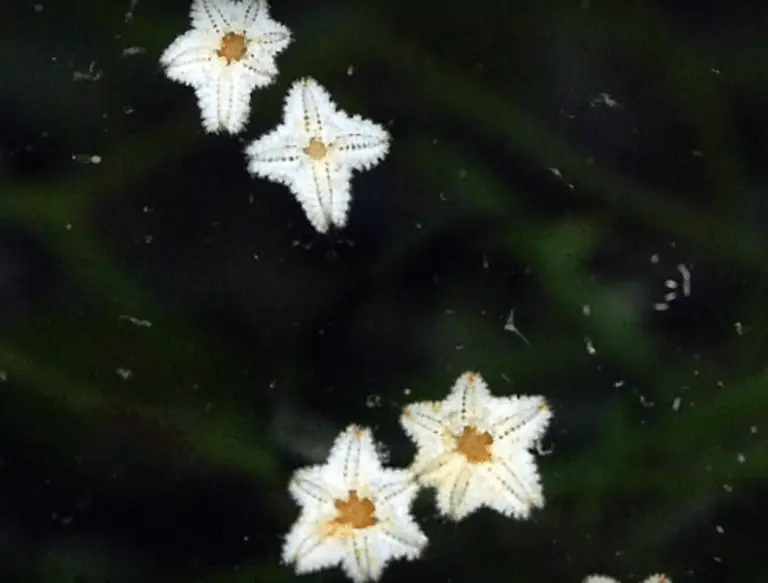
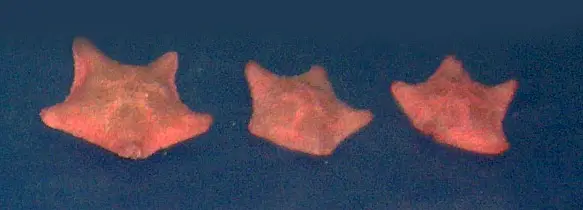
Asterina is a genus of asteroideans in the family Asterinidae.
The species occurring in Australian waters are considered to not be congeneric with the type species A. gibbosa (Pennant, 1777)[2] by Rowe and Gates (1995), and will possibly to assigned to another genus or a new genus. Rowe and Gates (1995) also suggested that Asterina should be restricted to Atlantic waters.[3]
Highly debated as harmful. Although there has been reports of a starfish fitting this description eating zoas and SPS corals, I have never personally had an issue with these guys. I would almost consider them beneficial due to their algae eating abilities. If their numbers increase too much to your liking, just manually remove them.
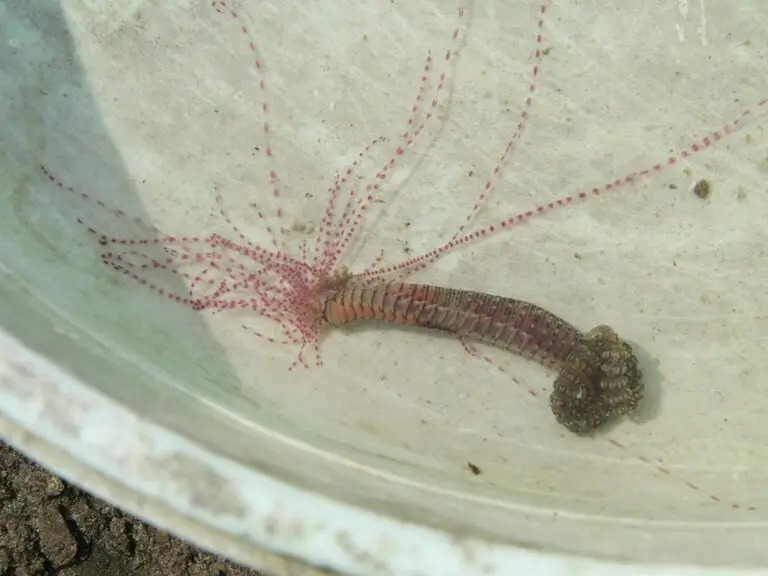
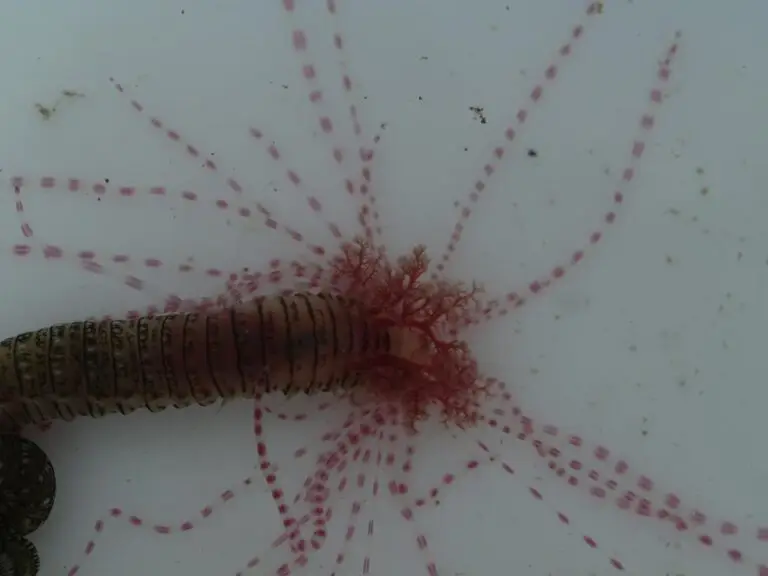
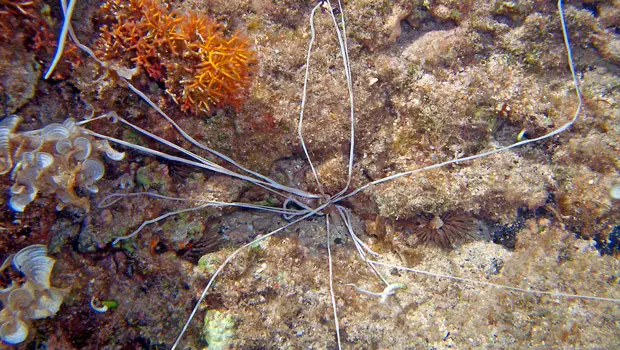
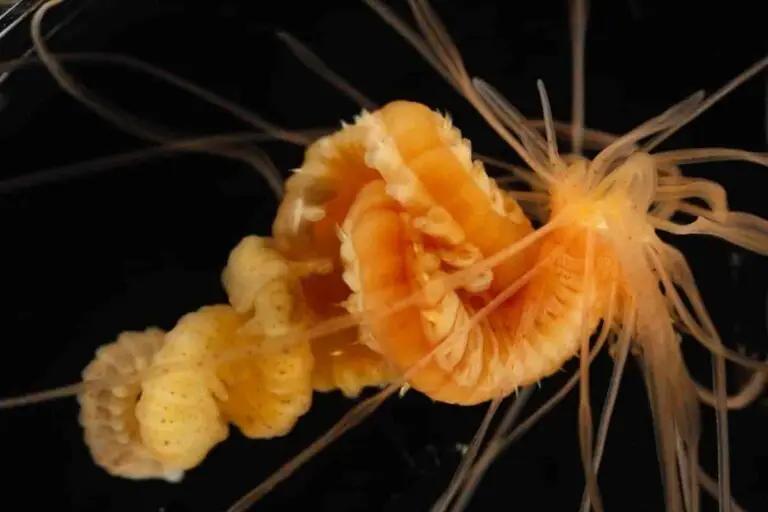
Eupolymnia crassicornisis a tropical species of annelid, commonly known as a Spaghetti worm, Hairy worm, or Medusa worm. These worms are found mainly near the Florida Keys and Puerto Rico. They can be found on the sea bottom near rocks and sand. They live buried in the sand where they create a tube-like structure. They extend their thin white tentacles out of the top of the tube in which they dwell.
Harmless
Eupolymnia crassicornis are deposit feeders that primarily feed at evening or night. They extend their ciliated tentacles out and along the sea-floor to gather dead organic matter (detritus) that originated as diatoms and other planktonic microorganisms. The collected detritus is then passed along a groove in their tentacles to their mouth, to be consumed.
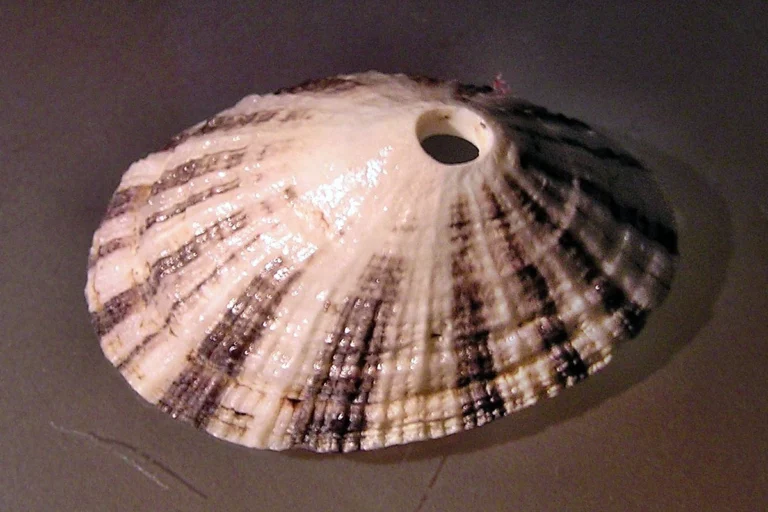
Diodora aspera, also known as the rough keyhole limpet, is a species of sea snail, a marine gastropod mollusk in the family Fissurellidae, the keyhole limpets. Although similar in appearance to a common limpet, it has a hole near the apex of its shell, and is only distantly related. It often has a scaled polychaete worm Arctonoe vittata living inside its shell as a commensal. In the event that it is attacked by a starfish, it extends flaps of mantle to defend itself, and the worm also helps drive the predator away.
Diodora aspera has a cone-shaped shell growing to a length of about 7 cm (2.8 in). Near the apex is an aperture about one tenth of the length of the shell, which is used for respiration and the elimination of waste. There is a broad foot which exerts suction on the rock surface, and the mantle is large enough to cover the margin of the shell. The surface of the shell is sculptured with coarse ribs and is usually greyish-brown or grey, often with dark and pale radiating bands of colour. The margin of the shell is crenulate and the interior is white.
Harmless
Diodora aspera are algae eaters that primarily feed at evening or night.
Reef aquarium hitchhikers are unwanted pests, algae, parasites, or invasive organisms that enter your aquarium through live rock, coral frags, macroalgae, or even aquarium equipment. While some hitchhikers are harmless or even beneficial, others can quickly damage coral colonies, irritate fish, spread aggressively, and destabilize your reef ecosystem.
At Reef Route Aquatics, we regularly help aquarium owners throughout Middle Tennessee identify and eliminate reef tank pests before they become major infestations. Our aquarium maintenance and aquarium installation services support reef aquariums, planted aquariums, freshwater community aquariums, turtle aquariums, cichlid tanks, saltwater fish-only systems, and FOWLR aquariums.
The key to successful reef aquarium pest management is early identification, quarantine procedures, proper water chemistry, and consistent professional maintenance.
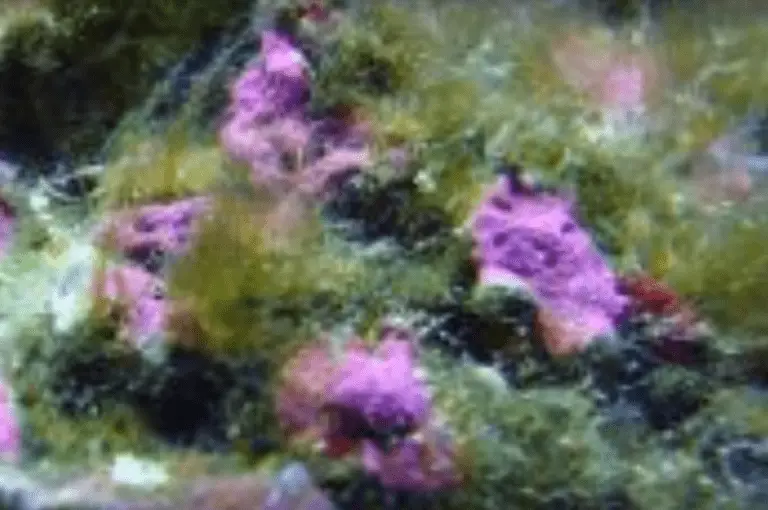
Filamentous Algae – Algae constitute a polyphyletic group[4] since they do not include a common ancestor, and although their plastids seem to have a single origin, from cyanobacteria,[6] they were acquired in different ways. Green algae are examples of algae that have primary chloroplasts derived from endosymbiotic cyanobacteria. Diatoms and brown algae are examples of algae with secondary chloroplasts derived from an endosymbiotic red alga.[7] Algae exhibit a wide range of reproductive strategies, from simple asexual cell division to complex forms of sexual reproduction.[8]
Nuisance algae that can cover our corals, and choke them out.
Usually a nutrient issue, but could also be due to poor or improper lighting.
Start by check nitrate and phosphates levels. Recommend water changes and GFO for treatment.
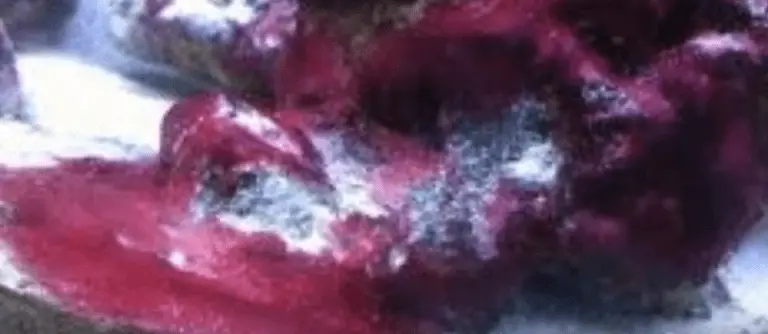
Cyanobacteria (/saɪˌænoʊbækˈtɪəri.ə/), also known as Cyanophyta, are a phylum of Gram-negative bacteria[4] that obtain energy via photosynthesis. The name cyanobacteria refers to their color (from Ancient Greek κυανός (kuanós) ‘blue’),[5][6] which similarly forms the basis of cyanobacteria’s common name, blue-green algae.[7][8][9][note 1] They appear to have originated in a freshwater or terrestrial environment.[10] Sericytochromatia, the proposed name of the paraphyletic and most basal group, is the ancestor of both the non-photosynthetic group Melainabacteria and the photosynthetic cyanobacteria, also called Oxyphotobacteria.[11]
Not really an algae, but it is photosynthetic.
These bacteria are always present in our systems, and only seem to show up under certain conditions. It could be seasonal, but most of the time it’s due to a nutrient imbalance.
Recommended treatment is diligent removal and correction of nutrients. This can take sometime to correct. Products like Red Slime Remover, and Chemiclean will eliminate most outbreaks, just be careful to read and follow instructions.
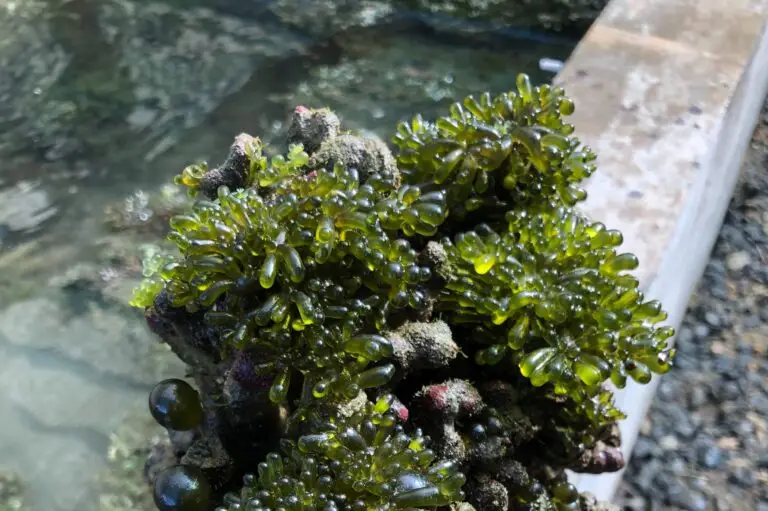
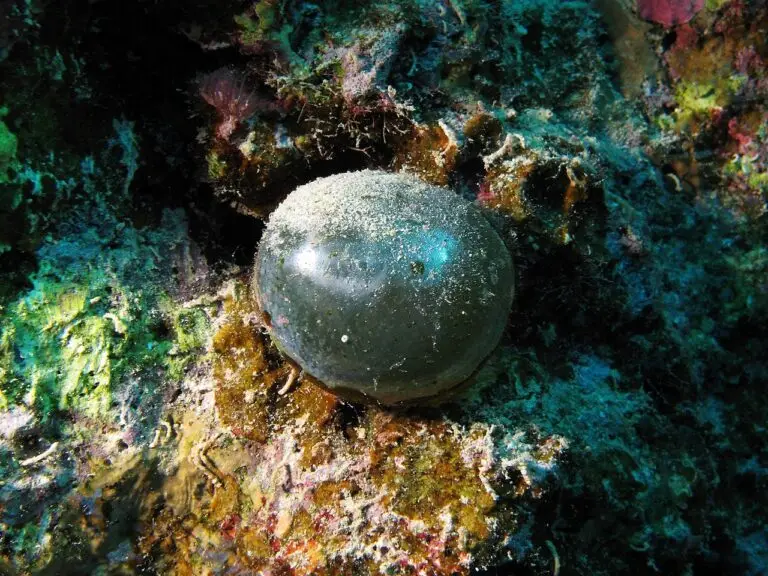
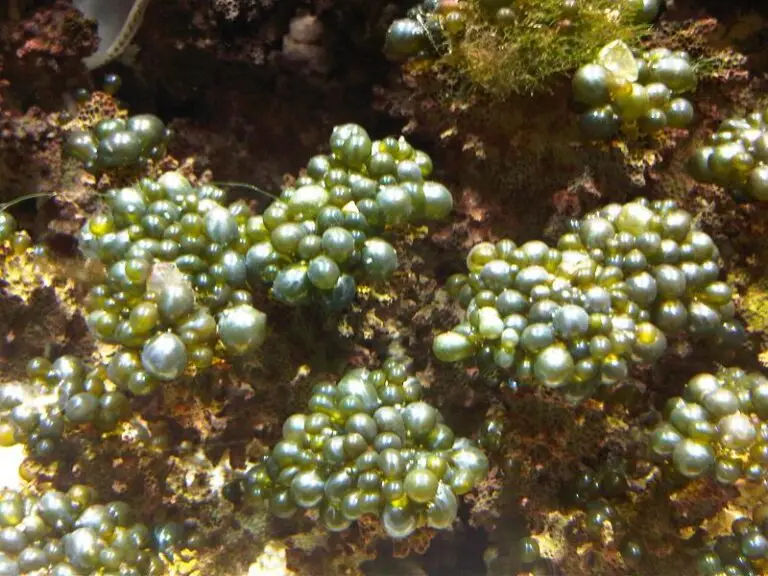
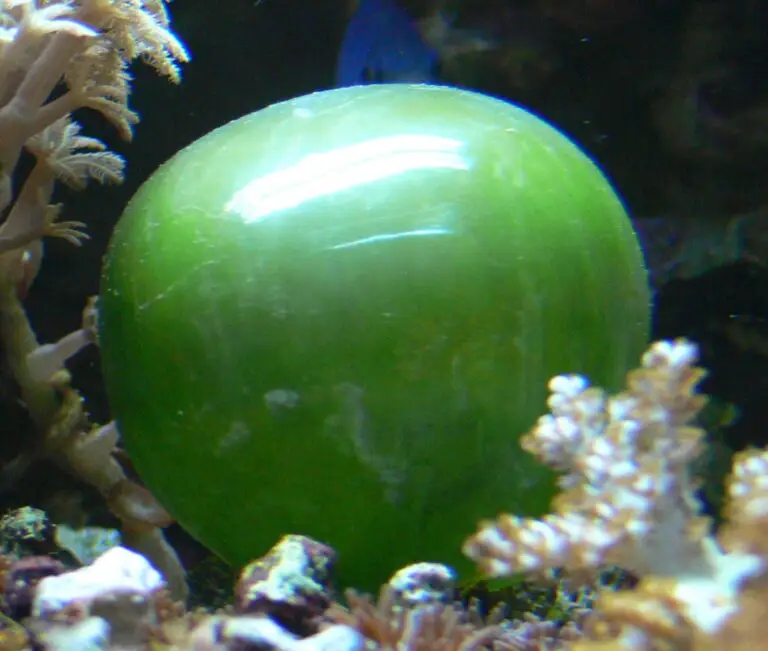
Valonia ventricosa, also known as bubble algae, sea grape[2] or sailor’s eyeballs[3] is a species of algae found in oceans throughout the world in tropical and subtropical regions, within the phylum Chlorophyta. It is one of the largest known unicellular organisms, if not the largest.[3][4]
Best way to remove this from the aquarium is manual removal under suction.
Try not to pop the bubbles. Popping valonia causes spores to release into the water column. Providing adequate suction to catch spores is the best way to eradicate.
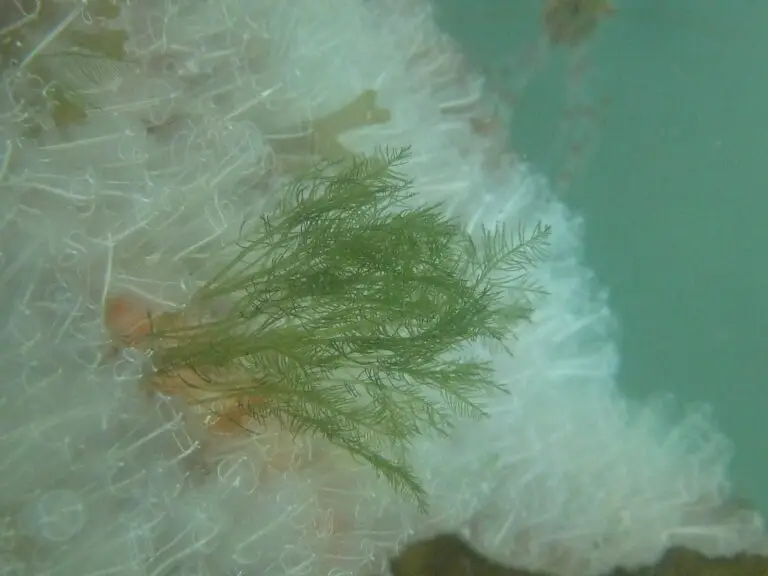
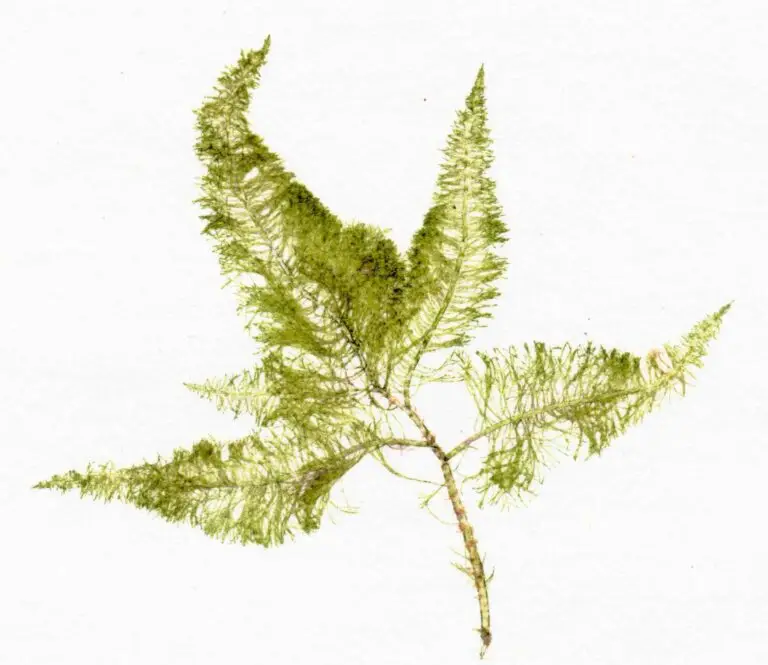
Bryopsisis a genus of marine green algae in the family Bryopsidaceae.[1] It is frequently a pest in aquariums,[2] where it is commonly referred to as hair algae.
Known for it’s feathery texture, You wont find too many animals that eat this stuff. The green sea slug is the only animal I know of that eats bryopsis, and even then it wasn’t very effective.
Blue Life Reef Flux is a product that I’ve used in the past and it wasn’t that bad from a SPS stand point.
Fluconazol is a safe reef tank treatment based on my experiences.
Reef Route Aquatics provides professional aquarium maintenance, aquarium installation, reef tank cleaning, and aquarium pest management services throughout Middle Tennessee.
We service:
Whether you’re battling Aiptasia, nuisance algae, flatworms, cyanobacteria, or unexplained coral decline, Reef Route Aquatics can help diagnose and stabilize your aquarium system.
Don’t let reef tank pests damage your aquarium investment. Reef Route Aquatics offers professional aquarium maintenance and aquarium troubleshooting services throughout Middle Tennessee.
Aiptasia anemones are among the most common reef aquarium pests due to their rapid reproduction and ability to spread on live rock and coral frags
Most pests enter reef aquariums through coral frags, live rock, macroalgae, and contaminated equipment.
Routine aquarium maintenance and quarantine procedures significantly reduce the risk of pest outbreaks and algae problems.
We use cookies to personalize content, provide social media features, and analyze our traffic. We also share information about your use of our site with our analytics partners. You can change your preferences at any time. For more information, please see our Privacy Policy and Cookie Policy. Privacy Policy